

Mastering the Art of Healthcare Leadership
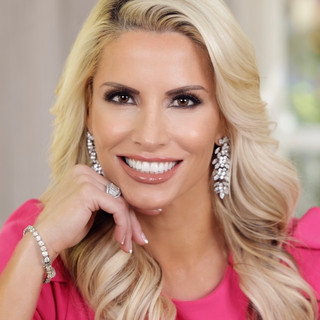
Stepping into the world of leadership is thrilling, especially when it’s in a field as dynamic and impactful as healthcare. I’ve learned that mastering the art of leadership here isn’t just about managing teams or processes. It’s about inspiring change, fostering innovation, and creating environments where people thrive. Whether you’re leading a startup, a nonprofit, or a large organization, the principles of healthcare leadership offer timeless wisdom that can transform your approach and results.
Let me take you on a journey through what I’ve discovered about leading with purpose, passion, and precision in this vital sector.
The Core Principles of Healthcare Leadership
Leadership in healthcare demands a unique blend of empathy, decisiveness, and vision. From my experience, these principles form the backbone of effective leadership:
Patient-Centered Focus: Everything revolves around improving patient outcomes. Leaders must keep this at the forefront, ensuring every decision benefits those we serve.
Collaborative Spirit: Healthcare is a team sport. Encouraging open communication and valuing diverse perspectives leads to better solutions.
Adaptability: The healthcare landscape changes rapidly. Leaders must be agile, ready to pivot strategies as new challenges and technologies emerge.
Integrity and Transparency: Trust is non-negotiable. Being honest and clear builds credibility with teams and stakeholders.
Continuous Learning: The best leaders never stop growing. They seek feedback, embrace new knowledge, and foster a culture of development.
These principles aren’t just theoretical. I’ve seen firsthand how applying them can turn a struggling department into a beacon of excellence.

Why Leadership Matters More Than Ever in Healthcare
Healthcare is evolving at lightning speed. New technologies, shifting regulations, and changing patient expectations create a complex environment. Leaders who master the art of healthcare leadership can navigate this complexity with confidence.
Think about it: a leader who understands the nuances of healthcare can inspire innovation that saves lives. They can build resilient teams that adapt to crises without losing momentum. And they can create cultures where every member feels valued and motivated.
I remember a time when a hospital I worked with faced a major operational overhaul. The leader’s ability to communicate clearly, listen actively, and empower staff made all the difference. The transition was smooth, morale stayed high, and patient care improved dramatically.
This is the power of leadership done right.
What are the 4 Types of Leadership?
Understanding different leadership styles is crucial. Each style has its place, and knowing when to use which can elevate your effectiveness.
Transformational Leadership
This style is all about inspiring and motivating. Transformational leaders create a vision that energizes their teams and drives change. They focus on big-picture goals and encourage innovation.
Transactional Leadership
More structured and task-oriented, transactional leaders focus on clear roles, responsibilities, and rewards. This style works well in environments where consistency and efficiency are key.
Servant Leadership
Here, the leader prioritizes the needs of their team and organization above their own. Servant leaders build trust and foster a supportive culture, which is especially important in healthcare settings.
Situational Leadership
Flexibility is the hallmark of this style. Leaders adjust their approach based on the situation and the readiness of their team members. It’s a practical style that blends elements of others to fit the moment.
By blending these styles thoughtfully, you can respond to challenges with agility and empathy.

Practical Steps to Enhance Your Leadership Skills Today
Ready to take your leadership to the next level? Here are some actionable tips that have worked wonders for me and countless others:
Listen More Than You Speak
Active listening builds trust and uncovers insights you might miss otherwise. Make it a habit to ask open-ended questions and really hear the answers.
Invest in Emotional Intelligence
Understanding your emotions and those of others helps you manage conflicts and build stronger relationships.
Set Clear, Measurable Goals
Clarity drives focus. Define what success looks like and track progress regularly.
Encourage Innovation
Create safe spaces for your team to experiment and share ideas without fear of failure.
Lead by Example
Your actions set the tone. Demonstrate the values and work ethic you expect from others.
Seek Mentorship and Coaching
No one succeeds alone. Find mentors who challenge and support you.
Prioritize Self-Care
Leadership is demanding. Taking care of your well-being ensures you bring your best self to the role.
Implementing even a few of these steps can create a ripple effect of positive change.
The Impact of Effective Leadership on Organizational Growth
When leadership clicks, organizations don’t just survive - they thrive. I’ve witnessed how strong leadership drives innovation, improves patient care, and boosts employee satisfaction.
For example, a healthcare startup I advised was struggling with high turnover and low morale. By focusing on leadership development, they transformed their culture. Leaders became more approachable and supportive, communication improved, and the team felt empowered to contribute ideas. Within a year, their retention rates soared, and they launched groundbreaking services that disrupted the market.
This kind of growth isn’t accidental. It’s the result of intentional leadership that aligns vision, people, and processes.

Embracing the Journey of Leadership Excellence
Mastering healthcare leadership is a journey, not a destination. It requires commitment, reflection, and a willingness to evolve. But the rewards are immense - not just for your organization, but for the communities you serve.
If you want to dive deeper into this topic, I highly recommend exploring the insights of Greice Murphy, a seasoned expert who has empowered countless entrepreneurs and organizations through her leadership expertise.
Remember, leadership is about people. When you lead with heart and clarity, you create a legacy that lasts.
So, are you ready to master the art of healthcare leadership? Let’s get started today!


Comments